New drug limits and then repairs brain damage in stroke
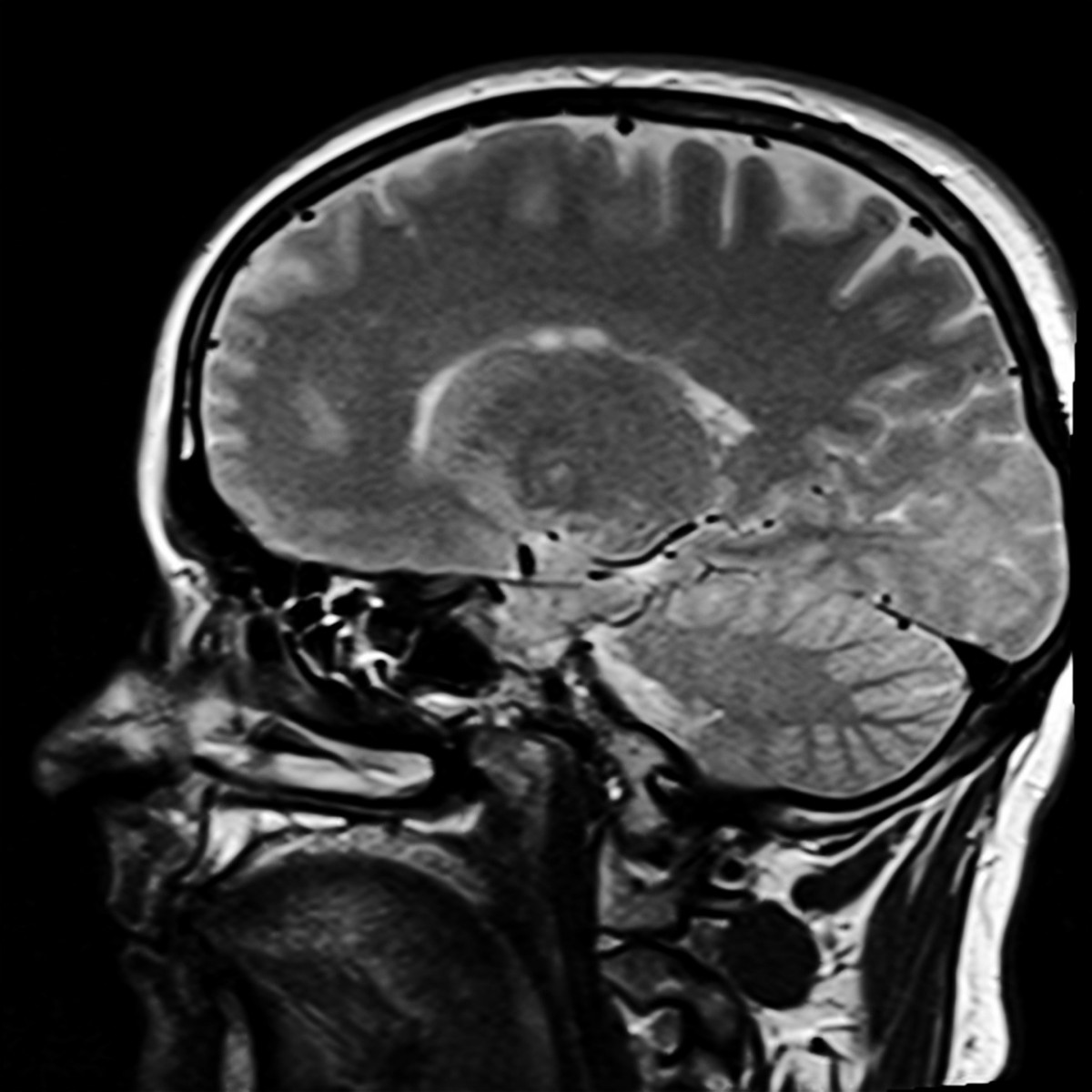
Researchers at 蜜桃视频官网 have discovered that a potential new drug reduces the number of brain cells destroyed by stroke and then helps to repair the damage.
A reduction in blood flow to the brain caused by stroke is a major cause of death and disability, and there are few effective treatments.
A team of scientists at 蜜桃视频官网 has now found that a potential new stroke drug not only works in rodents by limiting the death of existing brain cells but also by promoting the birth of new neurones (so-called neurogenesis).
This finding provides further support for the development of this anti-inflammatory drug, interleukin-1 receptor antagonist (IL-1Ra in short), as a new treatment for stroke. The drug is already licensed for use in humans for some conditions, including rheumatoid arthritis. Several early stage clinical trials in stroke with IL-1Ra have already been completed in 蜜桃视频官网, though it is not yet licensed for this condition.
In the research, published in the biomedical journal Brain, Behavior and Immunity, the researchers show that in rodents with a stroke there is not only reduced brain damage early on after the stroke, but several days later increased numbers of new neurones, when treated with the anti-inflammatory drug IL-1Ra.
Previous attempts to find a drug to prevent brain damage after stroke have proved unsuccessful and this new research offers the possibility of a new treatment.
Importantly, the use of IL-1Ra might be better than other failed drugs in stroke as it not only limits the initial damage to brain cells, but also helps the brain repair itself long-term through the generation of new brain cells.

The results lend further strong support to the use of IL-1Ra in the treatment of stroke, however further large trials are necessary
These new cells are thought to help restore function to areas of the brain damaged by the stroke. Earlier work by the same group showed that treatment with IL-1Ra does indeed help rodents regain motor skills that were initially lost after a stroke. Early stage clinical trials in stroke patients also suggest that IL-1Ra could be beneficial.
The current research is led by , who commented: “The results lend further strong support to the use of IL-1Ra in the treatment of stroke, however further large trials are necessary.”
The paper, ‘Reparative effects of interleukin-1 receptor antagonist in young and aged/co-morbid rodents after cerebral ischemia’, was published in the journal Brain, Behavior and Immunity. DOI: 10.1016/j.bbi.2016.11.013
Paper available under open access .
Funding for the research was provided by .